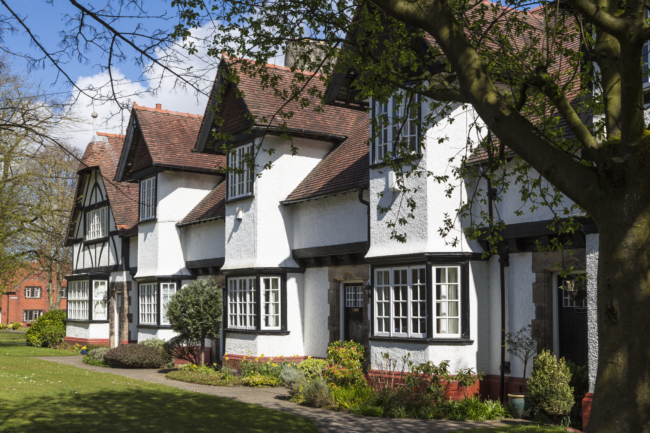
Having a building added to the heritage list (also known as becoming a listed building) is a way to protect something with special architectural or historic interest. Once a building is listed, changes are more closely controlled to help preserve what makes it important.
This guide explains how the listing process works in England, what information you’ll need, and what to expect once you submit an application.
On this page
What does it mean to be listed?
When a building is listed, it’s officially recognised as having special architectural or historic interest. This helps protect the building by making sure any future alterations are done with its character in mind.
Listing doesn’t necessarily mean the building can’t be changed — but it may mean you need consent for work that affects its historic features or appearance.
Read more about why buildings are listed.
Who can apply to list a building?
In many cases, anyone can suggest a building for listing. This might include:
- homeowners
- local residents
- historians or heritage groups
- local councils
Applications in England are made through Historic England’s online process.
What makes a building eligible?
Historic England assesses buildings for listing based on whether they have special historic or architectural interest. This can include:
- Architectural interest: notable design, craftsmanship, decoration, or innovation
- Historic interest: strong links to social, economic, cultural, or military history
- Rarity and survival: being a well-preserved or unusual example of its type
- Group value: forming an important historic group with other buildings nearby
Age can play a role, but it isn’t the only deciding factor. In general, older buildings that survive in something like their original form are more likely to be considered, but buildings from more recent periods can also be listed if they are particularly important or rare examples of their kind.
How to apply to get a building listed
Before starting an application, it’s worth checking whether the building is already listed. If it’s not, the next step is to submit a listing application through Historic England.
A typical application process looks like this:
- Check the heritage register to confirm the building isn’t already listed.
- Review listing criteria to make sure the building is a strong candidate.
- Gather your evidence (photos, history, dates, and notable features).
- Submit the online application through the designation portal.
Once submitted, the building may be researched and assessed before a recommendation is made.
A strong application normally includes:
- the building’s address and location details
- approximate age (or period)
- a summary of why it should be listed
- key features that make it significant
- clear photographs (inside and outside where possible)
- any supporting evidence (for example historic records, maps, or local history references)
If you can explain clearly what makes the building special (and back it up with evidence), you’ll usually have a stronger application.
How long does it take?
Timeframes can vary depending on the building, the evidence provided, and how complex the assessment is. Some cases are straightforward, while others require more research.
If you’re applying because a building is at risk (for example due to development plans), it may be worth looking at urgent options.
Fast-track and urgent cases
In certain situations, an application may be treated as urgent, such as when a building is under immediate threat of demolition or irreversible change.
Where available, fast-track routes aim to prioritise assessment within a shorter window, but eligibility depends on the circumstances.
Building Preservation Notices
If a building is at imminent risk, a local planning authority may issue a Building Preservation Notice (BPN). This gives temporary protection while a decision is made about listing.
A BPN can help pause damaging work for a limited period, allowing time for formal assessment to take place.
Certificates of Immunity from Listing
A Certificate of Immunity from Listing can be used in situations where an owner or developer wants certainty that a building will not be listed for a set period of time.
If granted, it normally means the building cannot be listed during the certificate period. If refused, it may increase the likelihood of the building being considered for listing, depending on the assessment outcome.
What happens after a building is listed?
Once a building is listed, owners may need to plan repairs and changes more carefully. Work that affects the building’s character might require formal consent, and repairs may need to be done in keeping with the original materials and style.
If you’re buying or already own a listed building, it can help to understand what ownership involves before starting any renovation plans.
What you need to know about owning a listed property.
FAQs
Can I apply to list my own house?
Yes, in many cases you can. Applications are usually made through the relevant national process (for England, via Historic England). You’ll normally need evidence to support why the building has special architectural or historic interest.
How do I know if a building is already listed?
You can check the national heritage register online. The entry usually includes a description of the building, its listing grade, and why it was listed.
Does a building have to be very old to be listed?
Not always. Older buildings are often more likely to be listed, but buildings from more recent periods can also be listed if they are significant examples of their type, particularly well preserved, or of special architectural interest.
What happens if my application is unsuccessful?
If a building is not listed, it may be because it doesn’t meet the criteria strongly enough, or because there isn’t enough supporting evidence. In some cases, a building can be reconsidered in future if new information becomes available.
Can listing affect home insurance?
It can. Listed buildings may have higher rebuild costs, and repairs can require specialist materials and skilled trades. This is why some owners choose listed building insurance that takes listed status into account.